Using Linda's Feature in Untold Magazine as a Real Example
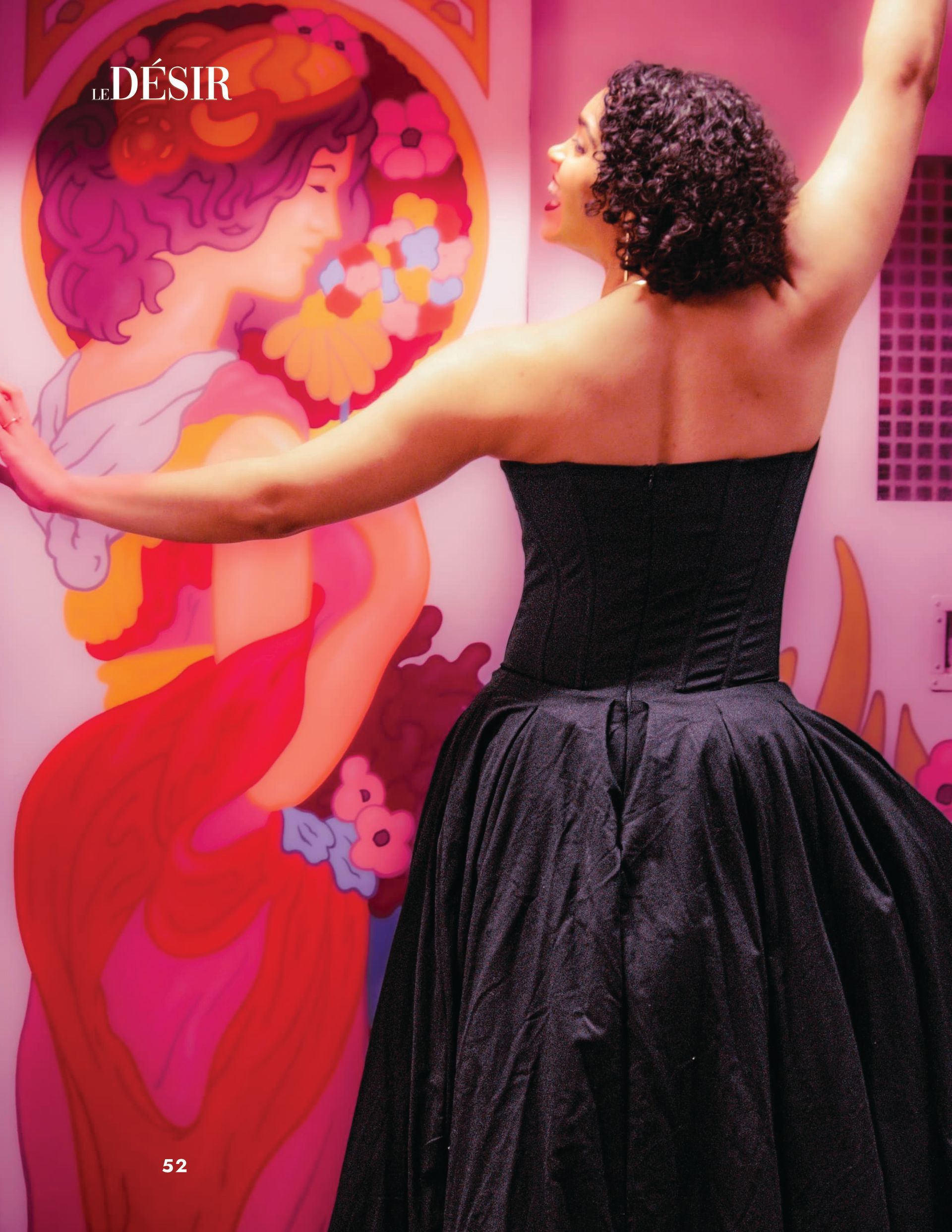
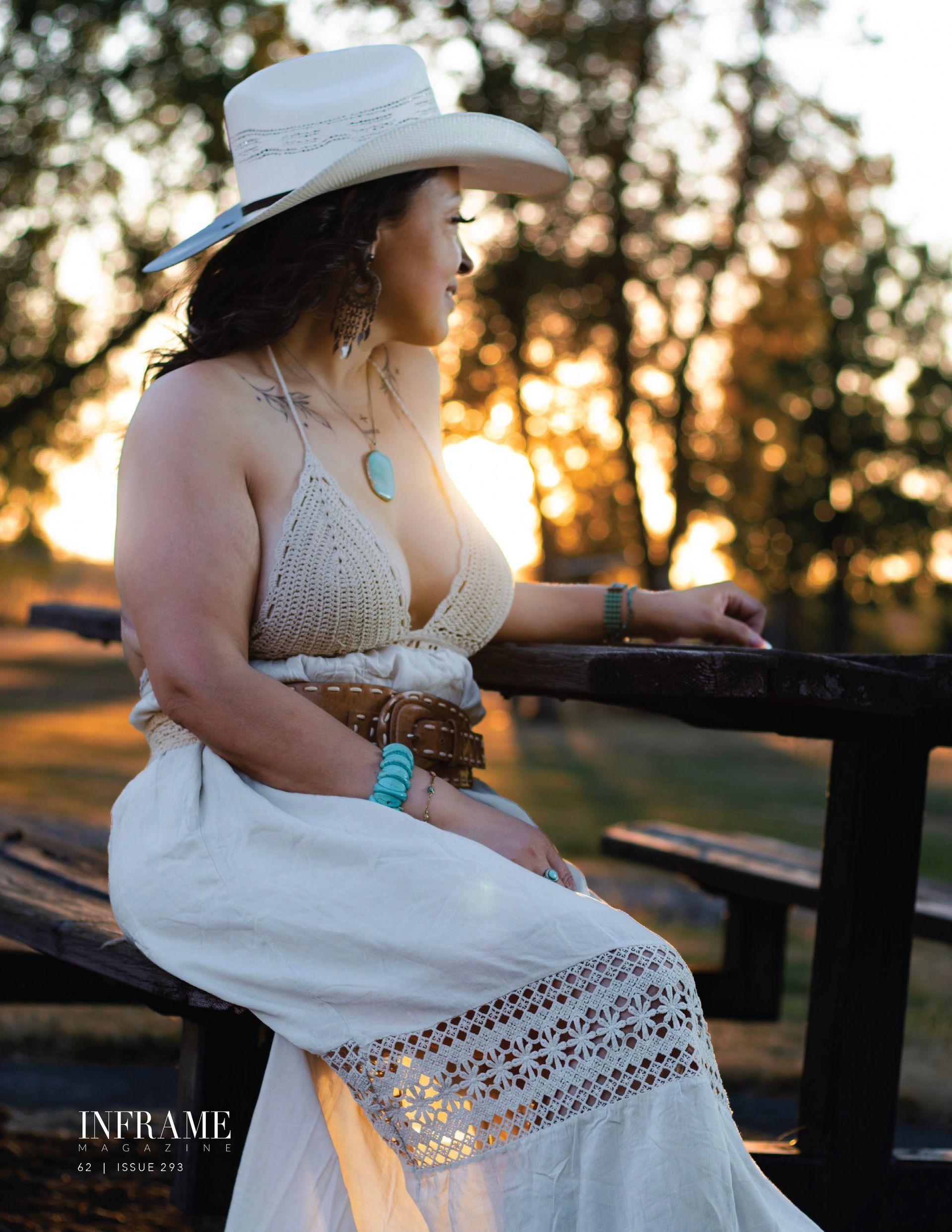
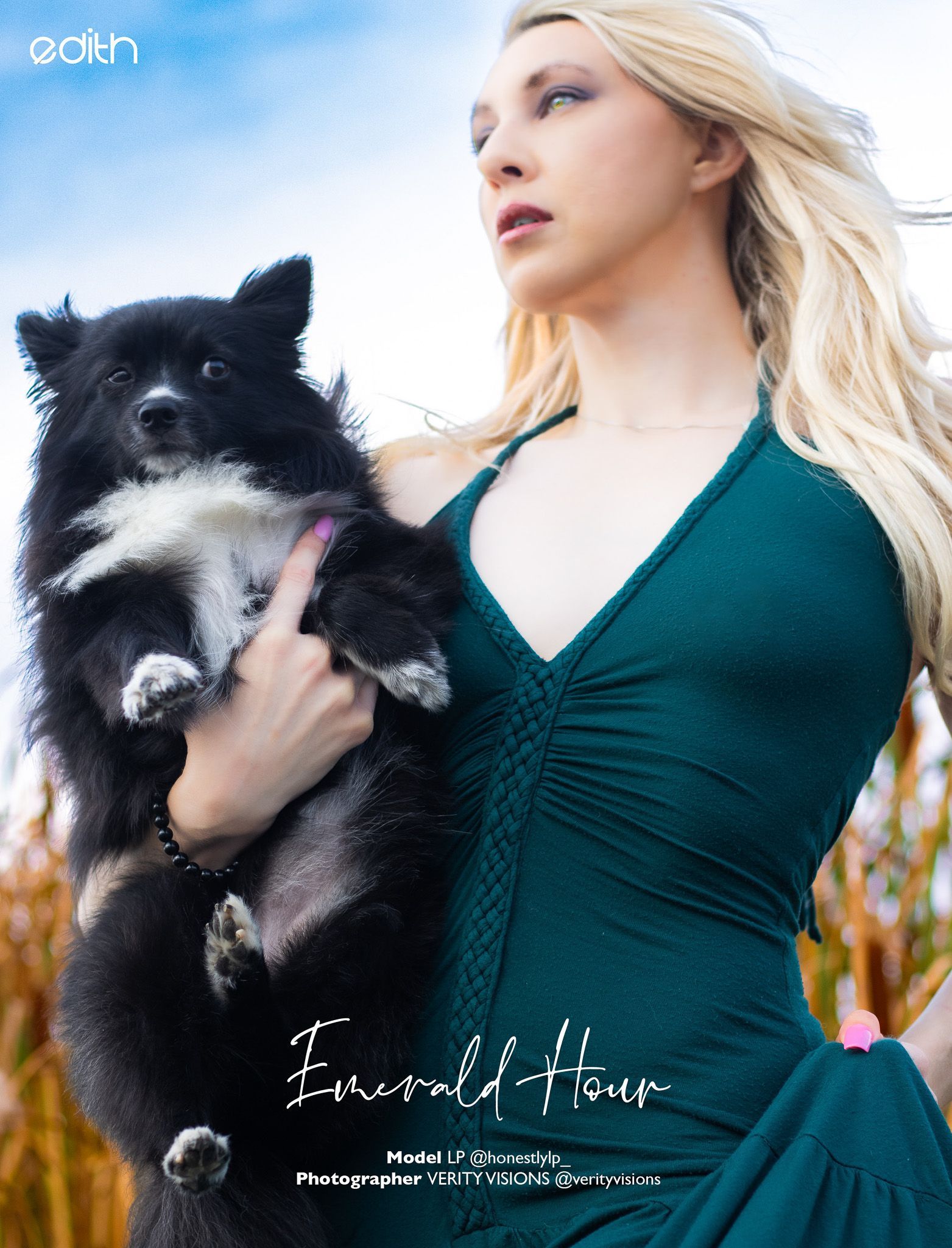
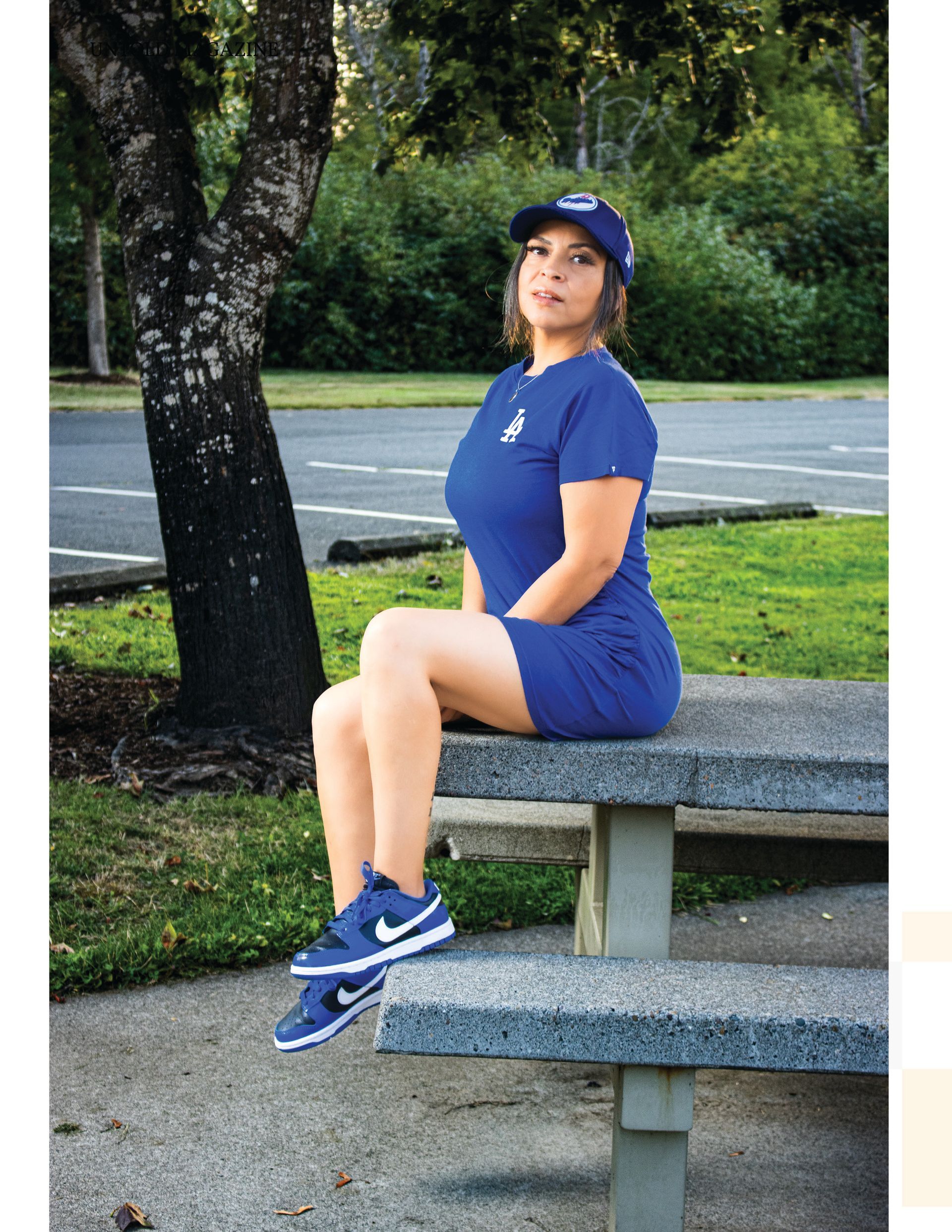
This month, Linda was published in Untold Magazine.
I want to use this feature to explain something that is rarely explained plainly, especially to models who are early in their careers or trying to move beyond social media.
Getting published is not mysterious or hard to do. (It is also not guaranteed.)
This post is meant to clarify what actually matters.
Publication Is About the Work, Not the Model’s Status
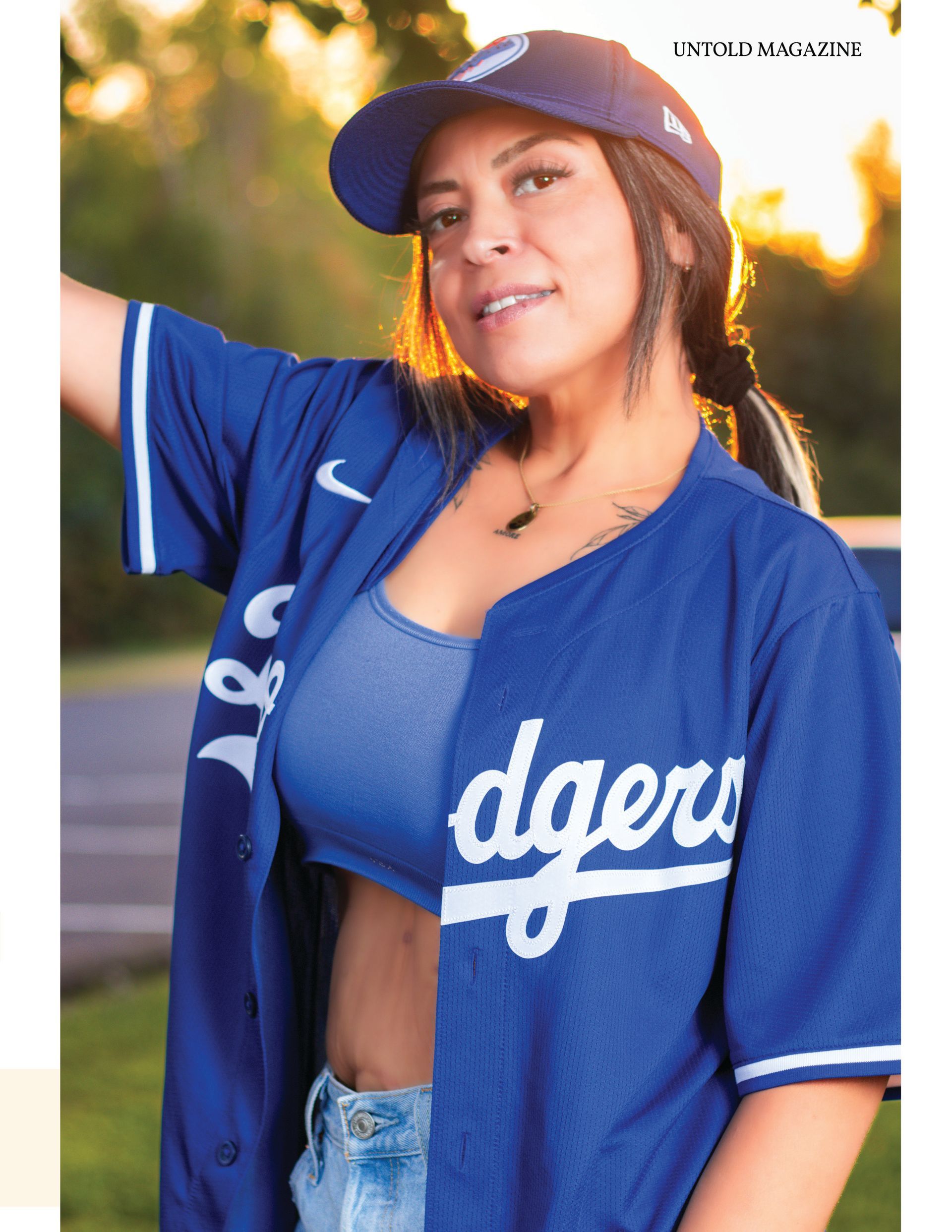
Most magazines are not selecting people.
They are selecting sets of images.
Editors look at:
- Whether the images feel complete
- Whether the visual story makes sense
- Whether the lighting and composition are consistent
- Whether the subject feels present, not performative
Editors are reviewing whether a group of photographs can function together in print. They are looking at cohesion, consistency, and usability. Follower count, popularity, and online visibility are not usually a part of the evaluation process.
If the images do not work together as a set, the submission fails, even if individual photos are strong. If the images feel unfinished, inconsistent, or chaotic, they cannot be placed in a magazine layout.
This is the baseline most models are never taught.
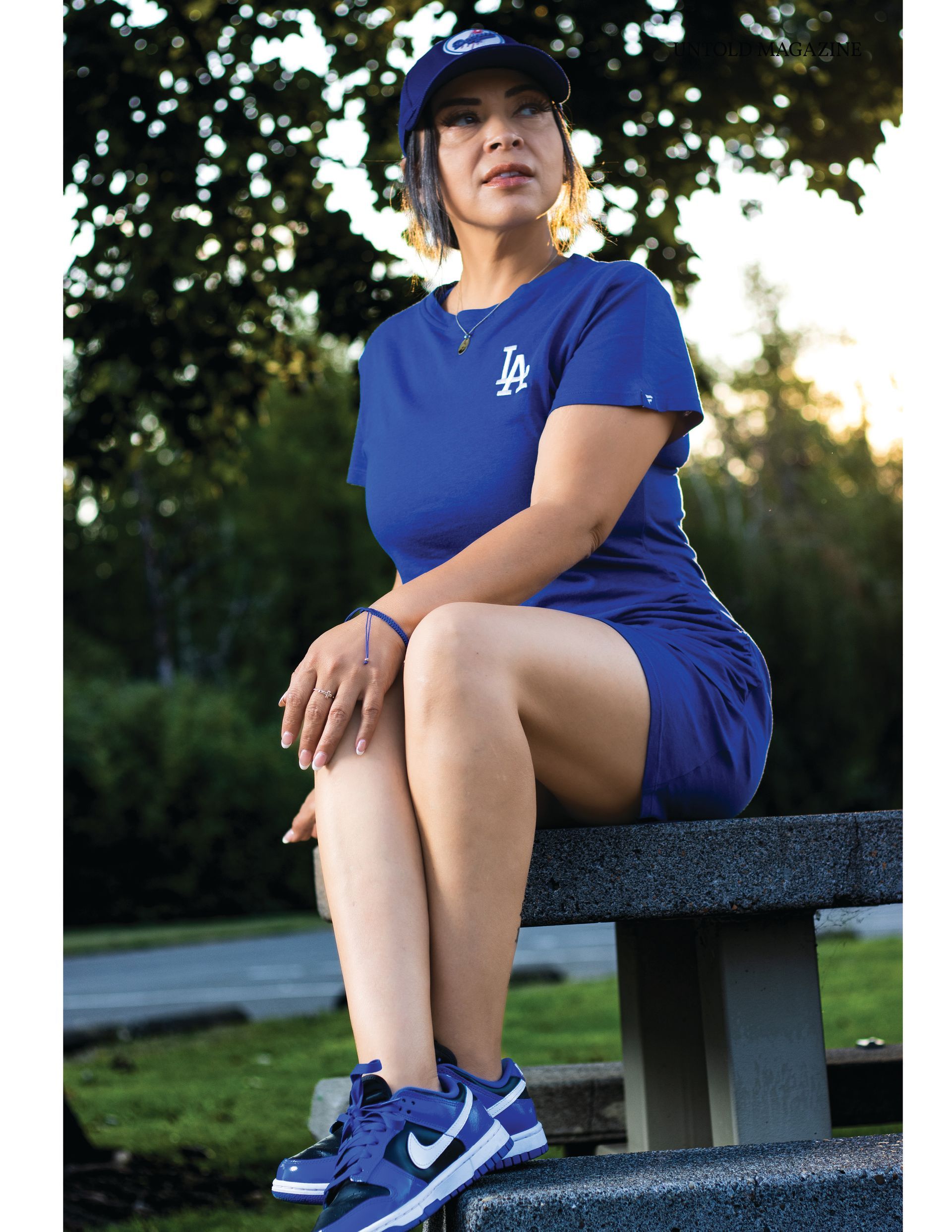
Why Linda’s Feature Worked
This shoot was done outdoors, which makes consistency harder, not easier. Natural light changes quickly. Wind affects hair and wardrobe. Backgrounds are uncontrolled. Editors are aware of this, which is why outdoor submissions are judged carefully.
The images worked because those variables were managed intentionally.
A Neewer cordless strobe was used to stabilize exposure as natural light shifted. This allowed the subject to remain consistently lit instead of reacting to clouds, shade, or sun movement. Cordless strobes are essential for outdoor editorial work because they provide control without slowing the shoot down.
You can view the exact Neewer cordless strobe used for this shoot here.
The strobe was mounted on a C-stand, not a lightweight photo stand. Outdoors, stability matters. A C-stand resists wind, uneven ground, and accidental movement, which keeps lighting consistent across frames and prevents safety issues. Lightweight stands tip easily and introduce risk on outdoor sets.
You can purchase the same style heavy-duty C-stand used in this shoot here.
A 50mm lens was used for the majority of the images. This focal length produces a natural perspective that translates well to print. It avoids distortion and allows the subject to feel grounded in the environment, which editors prefer for editorial layouts.
You can find the 50mm lens used for this shoot here (brand-specific depending on camera system).
Because lighting, stability, and lens choice were handled correctly, the images remained cohesive. Exposure stayed controlled. Color stayed consistent. The posing and expressions did not fluctuate dramatically from frame to frame. Each image could sit next to the others without disrupting the visual flow.
That is why the feature worked, The work looked finished and reliable in an uncontrolled environment.
5 Steps Models Can Take to Get Published
1. Build Submissions as Complete Sets
Editors are not publishing single images, they are publishing the photos that tell a story.
Before submitting work, review your images as a group.
Remove anything that does not match the tone, lighting, or energy of the rest. If one image feels out of place, it weakens the entire submission.
A smaller, cohesive set is always stronger than a large, inconsistent one.
2. Prepare Like the Environment Will Fight You
Outdoor shoots expose lack of preparation immediately.
Wind, movement, and changing light amplify small problems.
Models should arrive with wardrobe options that photograph cleanly, undergarments that do not interfere with fit, and tools to maintain consistency throughout the shoot.
Here are a list of useful tools that are perfect to have on hand for shoots:
- Portable garment steamer
Used to remove wrinkles quickly on set and keep wardrobe looking polished without relying on location facilities.
- Wrinkle release spray
Ideal for fast touch-ups between looks when steaming is not practical or time is limited.
- Seamless nude undergarments
Prevents visible lines and color cast under clothing, especially in natural light and fitted wardrobe.
- Lint roller
Removes dust, hair, and fabric debris that can become highly visible in high-resolution images.
- Hair flyaway control stick
Useful for outdoor shoots, wind, and quick touch-ups between frames.
- Compact travel mirror
Essential for discreet checks without interrupting the shoot flow.
This has a light which is perfect for it
These items stop preventable problems, Editors notice when those problems are absent.
4. Understand the Tools Being Used on Set
Models do not need to operate lighting equipment, but they do need to understand what is happening around them. That understanding directly affects how you move, how you hold position, and how consistent your performance is across a shoot.
When models understand why certain tools are being used, they move with intention instead of uncertainty. They hold poses longer when needed, adjust less unnecessarily, and work in sync with the photographer rather than against the setup. Editors notice this kind of professionalism immediately.
Below are common tools used on outdoor editorial shoots and what models should understand about each one.
Strobe light
A cordless strobe is used outdoors to control light when natural conditions are changing. If a strobe is in use, it means the photographer is balancing you against the environment, not reacting to it. As a model, this means you should avoid stepping in and out of the light source, rotating your body too quickly, or constantly changing distance from the light. Small positional shifts can dramatically change exposure when a strobe is involved.
For photographers who want to invest in this light
Heavy-duty C-stand with grip arm
A C-stand is used for stability, especially outdoors where wind and uneven ground are factors. If a C-stand is on set, it signals that the light placement is intentional and fixed. Models should be mindful of their spacing, avoid bumping the stand, and hold positions more steadily rather than pacing or resetting frequently. C-stands are heavy for a reason, and awareness around them is part of working safely and professionally.
Photographers lacking a good stand can buy here
50mm prime lens
A 50mm lens produces a natural perspective with minimal distortion, which means subtle movements show clearly in the final image. With this lens, exaggerated posing and constant repositioning read as chaotic in a sequence. Models should focus on controlled posture, clean lines, and small adjustments rather than dramatic changes. Consistency is especially important with this focal length because editors expect images to sit together cleanly in print.
Photographers seeking editorial shots can purchase here
Understanding how these tools affect the shoot allows models to work more confidently, maintain consistency across frames, and contribute to a final set that feels intentional rather than reactive.
That level of awareness is one of the quiet differences between models who get published once and models who get published repeatedly.
5. Submit Work That Already Looks Finished
What Models Should Look for When Choosing a Photographer
Editors are not looking for potential. They are looking for work that is ready to place. That means models need to be intentional about who they shoot with, not just how they perform.
When choosing a photographer for editorial work, models should look for:
- Complete editorial sets, not single standout images.
The photographer should be able to show multiple images from the same shoot that feel cohesive in lighting, tone, and direction.
- Consistency across environments.
The work should look controlled whether it is shot indoors or outdoors, not drastically different from session to session.
- Intentional lighting control.
Especially outdoors, the photographer should demonstrate stable exposure and color rather than reactive, inconsistent lighting.
- Clear, restrained direction.
Finished editorial work does not rely on exaggerated posing or dramatic expressions to feel compelling.
- Images that stand on their own.
The work should not require explanation, backstory, or justification to make sense.
When models work with photographers who meet these criteria, the images arrive at the submission stage already resolved.
That is what editors trust, and trust is what gets work published.
Final Thoughts
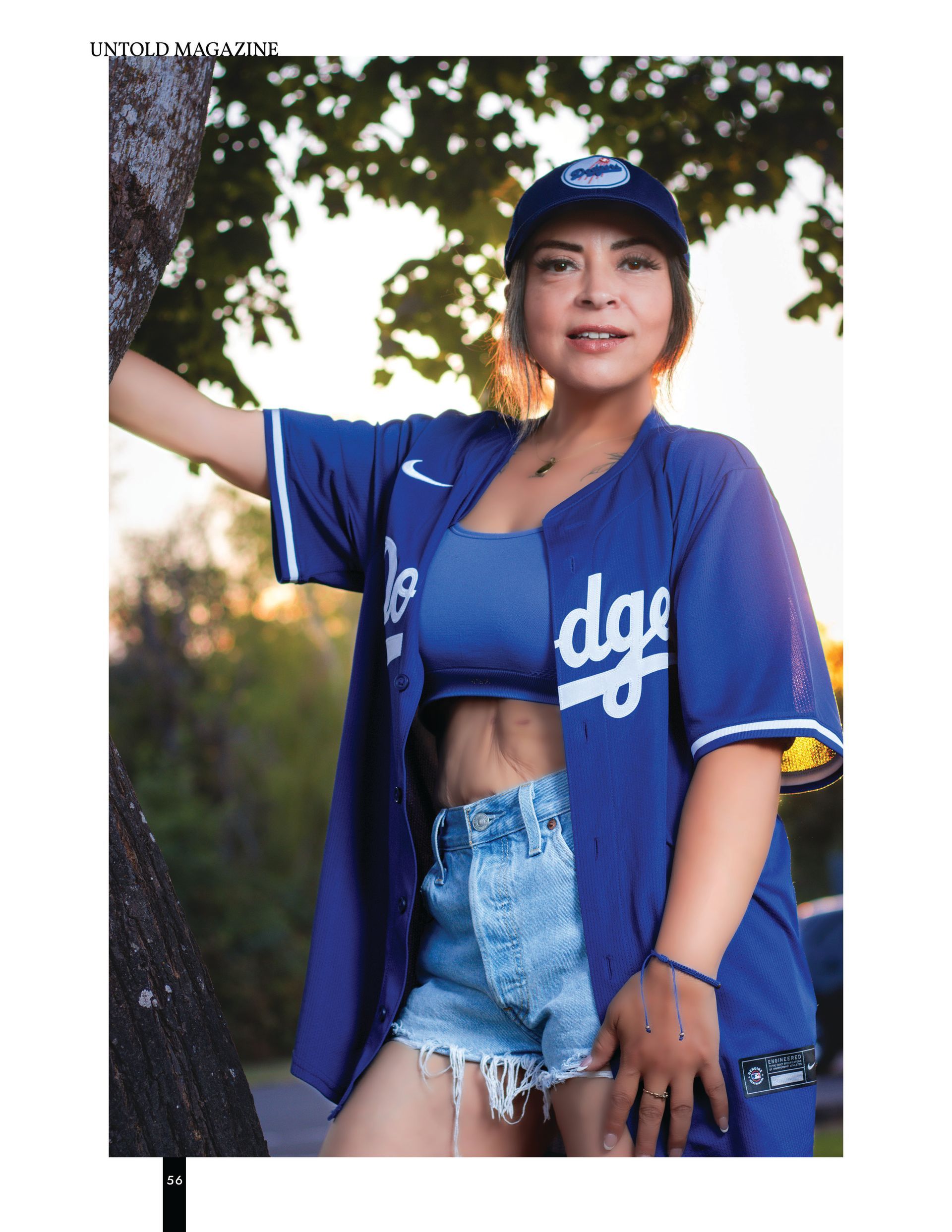
Linda’s publication did not happen by chance, and it did not happen because of visibility or trends. It happened because the work was created with editorial placement in mind from the beginning. Every decision made during the shoot served the final outcome: images that could stand on their own without explanation and be trusted by an editor reviewing submissions.
This is the level of work I prioritize.
If you are a model who wants to be considered for publication, you need to be willing to work at this standard. That means understanding how editorial shoots function, preparing professionally, and showing up ready to contribute to work that is meant to be placed, not just posted.
I do not cast through social media messages or casual inquiries. I review models exclusively through my model form, where I look for alignment, preparedness, and the ability to work within an editorial framework.
If you are serious about being part of publication-driven shoots and want to be considered for future editorial submissions, fill out the model form on my website.
That is the first step in entering my production pipeline.
You have nothing to loose and everything to gain.
Legacy Letters